
Persian Starr

THE QALANDARS (KALANDARS)
The Qalandariyya (Arabic: قلندرية), Qalandaris or Kalandaris are wandering Sufi dervishes. The writings of Qalandaris are not merely celebrations of libertinism, but affirmations of antinomial beliefs. The Qalandars were controversial Sufi mystics known for anti-nomian behavior and disavowal of religious and social law. They did not accept the norms & concepts of good or bad as they saw these concepts to be subjective and relative concepts. They would perform ascetical practices in secret and sometimes act in ways that invoked public scorn. They often dressed unusually, sometimes naked, and shaved off all hair, including beards, which went against social norms. Music, dance, and the use of intoxicants were part of their practice, despite being forbidden in Islam. The Qalandariya influenced Sufi poetry, with themes challenging norms and expressing divine love through metaphors of wine and taverns. As a result they were banned and persecuted over time, some still exist in various countries and are believed to have supernatural powers most notably being free from the boundaries of space & time. Unlike other sufi orders they have no structured order and do not believe in maintaining an organized sufi order in the traditional sense & manner.
99 Beautiful Names of God













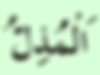


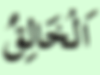
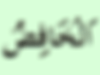
Asma ul-Husna
اللَّهُ لاَ إِلَهَ إِلاَّ هُ
Allah! There is no god but He. (2:255)
وَلِلّهِ الأَسْمَاء الْحُسْنَى فَادْعُوهُ بِهَا وَذَرُواْ الَّذِينَ يُلْحِدُونَ فِي
And to Allah belong the best names, so invoke Him by them. And leave [the company of] those who practice deviation concerning His names. They will be recompensed for what they have been doing. (7:180)
اللَّهُ لَا إِلَٰهَ إِلَّا هُوَ ۖ لَهُ الْأَسْمَاءُ الْحُسْنَىٰ
Allah! There is no God but Allah. His are the most beautiful names. (20:7)
هُوَ اللَّهُ الْخَالِقُ الْبَارِئُ الْمُصَوِّرُ ۖ لَهُ الْأَسْمَاءُ الْحُسْنَىٰ ۚ يُسَبِّحُ لَهُ مَا فِي السَّمَاوَاتِ وَالْأَرْضِ ۖ وَهُوَ الْعَزِيزُ الْحَكِيمُ
He is Allah, the Creator, the Shaper out of naught, the Fashioner. His are the most beautiful names. All that is in the heavens and the earth glorifieth Him, and He is the Mighty, the Wise. (59:24)
اللَّهُ
1. Allah: The God
The only one Almighty. He alone is worthy of worship
Found In Quraan Ayah(s): (1:1) (3:18 )
الرَّحْمَنُ
2. Ar-Rahman: The Beneficent
He who wills goodness and mercy for all His creatures
Found In Quraan Ayah(s): (1:3) (17:110)
الرَّحِیمُ
3. Ar-Rahim: The Merciful
He who acts with extreme kindness
Found In Quraan Ayah(s): (2:163)(3: 31)(4:100) (5:3)
الْمَلِكُ
4. Al-Malik: The Eternal Lord
The Sovereign Lord, The One with the complete Dominion, the One Whose Dominion is clear from imperfection
Found In Quraan Ayah(s): (20:114)(2 3:116)(59: 23)(62:1)
الْقُدُّوسُ
5. Al-Quddus: The Most Sacred
The One who is pure from any imperfection and clear from children and adversaries
Found In Quraan Ayah(s): (59:23) (62:1)
السَّلاَمُ
6. As-Salaam :The Embodiment of Peace
The One who is free from every imperfection.
Found In Quraan Ayah(s): (59:23)
الْمُؤْمِنُ
7. Al-Mu'min: The Infuser of Faith
The One who witnessed for Himself that no one is God but Him. And He witnessed for His believers that they are truthful in their belief that no one is God but Him
Found In Quraan Ayah(s): (59:23)
الْمُھَیْمِنُ
8. Al-Muhaymin: The Preserver of Safety
The One who witnesses the saying and deeds of His creatures
Found In Quraan Ayah(s): (59:23)
الْعَزِیزُ
9. Al-'Aziz: The Mighty One
The Strong, The Defeater who is not defeated
Found In Quraan Ayah(s): (3:6)(4:15 8)(9:40)(4 8:7)
الْجَبَّارُ
10. Al-Jabbar: The Omnipotent One
The One that nothing happens in His Dominion except that which He willed
Found In Quraan Ayah(s): (59:23)
الْمُتَكَبِّرُ
11. Al-Mutakabbir: The Dominant One
The One who is clear from the attributes of the creatures and from resembling them.
Found In Quraan Ayah(s): (59:23)
الْخَالِقُ
12. Al-Khaaliq: The Creator
The One who brings everything from nonexistence to existence
Found In Quraan Ayah(s): (6:102)(13 :16)(39:62 )(40:62)(5 9:24)
الْبَارِئُ
13. Al-Baari: The Evolver
The Maker, The Creator who has the Power to turn the entities.
Found In Quraan Ayah(s): (59:24)
الْمُصَوِّرُ
14. Al-Musawwir: The Flawless Shaper
The One who forms His creatures in different pictures.
Found In Quraan Ayah(s): (59:24)
الْغَفَّارُ
15. Al-Ghaffaar: The Great Forgiver
The Forgiver, The One who forgives the sins of His slaves time and time again.
Found In Quraan Ayah(s): (20:82)(38 :66)(39:5) (40:42)(71 :10)
الْقَھَّارُ
16. Al-Qahhaar: The All-Prevailing One
The Dominant, The One who has the perfect Power and is not unable over anything.
Found In Quraan Ayah(s): (13:16)(14 :48)(38:65 )(39:4)(40 :16)
الْوَھَّابُ
17. Al-Wahhaab: The Supreme Bestower
The One who is Generous in giving plenty without any return. He is everything that benefits whether Halal or Haram.
Found In Quraan Ayah(s): (3:8)(38:9 )(38:35)
الرَّزَّاقُ
18. Ar-Razzaaq: The Total Provider
The Sustainer, The Provider.
Found In Quraan Ayah(s): (51:58)
الْفَتَّاحُ
19. Al-Fattah: The Supreme Solver
The Opener, The Reliever, The Judge, The One who opens for His slaves the closed worldy and religious matters.
Found In Quraan Ayah(s): (34:26)
العَاِیمُ
20. Al-'Alim: The All-Knowing One
The Knowledgeable; The One nothing is absent from His knowledge
Found In Quraan Ayah(s): (2:158)(3: 92)(4:35)( 24:41)(33: 40)
الْقَابِضُ
21. Al-Qaabid: The Restricting One
The Constricter, The Withholder, The One who constricts the sustenance by His wisdom and expands and widens it with His Generosity and Mercy.
Found In Quraan Ayah(s): (2: 245)
الْبَاسِطُ
22. Al-Baasit: The Extender
The Englarger, The One who constricts the sustenance by His wisdomand expands and widens it with His Generosity and Mercy.
Found In Quraan Ayah(s): (2: 245)
الْخَافِضُ
23. Al-Khaafid: The Reducer
The Abaser, The One who lowers whoever He willed by His Destruction and raises whoever He willed by His Endowment.
Found In Quraan Ayah(s): (95:5)
الرَّافِعُ
24. Ar-Raafi': The Elevating One
The Exalter, The Elevator, The One who lowers whoever He willed by His Destruction and raises whoever He willed by His Endowment.
Found In Quraan Ayah(s): (58:11)(6: 83)
مُعِزُّالْ
25. Al-Mu'izz: The Honourer-Bestower
He gives esteem to whoever He willed, hence there is no one to degrade Him; And He degrades whoever He willed, hence there is no one to give Him esteem.
Found In Quraan Ayah(s): (3:26)
المُذِلُّ
26. Al-Mudhill: The Abaser
The Dishonorer, The Humiliator, He gives esteem to whoever He willed, hence there is no one to degrade Him; And He degrades whoever He willed, hence there is no one to give Him esteem.
Found In Quraan Ayah(s): (3:26)
السَّمِیعُ
27. As-Sami: The All-Hearer
The Hearer, The One who Hears all things that are heard by His Eternal Hearing without an ear, instrument or organ.
Found In Quraan Ayah(s): (2:127)(2: 256)(8:17) (49:1)
الْبَصِیرُ
28. Al-Basir: The All-Seeing
The All-Noticing, The One who Sees all things that are seen by His Eternal Seeing without a pupil or any other instrument.
Found In Quraan Ayah(s): (4:58)(17: 1)(42:11)( 42:27)
الْحَكَمُ
29. Al-Hakam: The Impartial Judge
The Judge, He is the Ruler and His judgment is His Word.
Found In Quraan Ayah(s): (22:69)
الْعَدْلُ
30. Al-'Adl: The Embodiment of Justice
The Just, The One who is entitled to do what He does.
Found In Quraan Ayah(s): (6:115)
اللَّطِیفُ
31. Al-Lateef: The Knower of Subtleties
The Subtle One, The Gracious, The One who is kind to His slaves and endows upon them.
Found In Quraan Ayah(s): (6:103)(22 :63)(31:16 )(33:34)
الْخَبِیرُ
32. Al-Khabeer: The All- Aware One
The One who knows the truth of things.
Found In Quraan Ayah(s): (6:18)(17: 30)(49:13) (59:18)
الْحَلِیمُ
33. Al-Halim: The Clement One
The Forebearing, The One who delays the punishment for those who deserve it and then He might forgive them.
Found In Quraan Ayah(s): (2:235)(17 :44)(22:59 )(35:41)
الْعَظِیمُ
34. Al-'Adzheem: The Magnificent One
The Great One, The Mighty, The One deserving the attributes of Exaltment, Glory, Extolement,and Purity from all imperfection.
Found In Quraan Ayah(s): (2:255)(42 :4)(56:96)
الْغَفُورُ
35. Al-Ghafuur: The Great Forgiver
The All-Forgiving, The Forgiving, The One who forgives a lot.
Found In Quraan Ayah(s): (2:173)(8: 69)(16:11 0)(41:32)
الشَّكُورُ
36. Ash-Shakuur: The Acknowledging One
The Grateful, The Appreciative, The One who gives a lot of reward for a little obedience.
Found In Quraan Ayah(s): (35:30)(35 :34)(42:23 )(64:17)
الْعَلِيُّ
37. Al-'Ali: The Sublime One
The Most High, The One who is clear from the attributes of the creatures.
Found In Quraan Ayah(s): (4:34)(31: 30)(42:4)( 42:51)
الْكَبِیرُ
38. Al-Kabeer: The Great One
The Most Great, The Great, The One who is greater than everything in status.
Found In Quraan Ayah(s): (13:9)(22: 62)(31:30)
الْحَفِیظُ
39. Al-Hafidh: The Guarding One
The Preserver, The Protector, The One who protects whatever and whoever He willed to protect.
Found In Quraan Ayah(s): (11:57)(34 :21)(42:6)
المُقیِت
40. Al-Muqit: The Sustaining One
The Maintainer, The Guardian, The Feeder, The One who has the Power.
Found In Quraan Ayah(s): (4:85)
الْحسِیبُ
41. Al-Haseeb: The Reckoning One
The Reckoner, The One who gives the satisfaction.
Found In Quraan Ayah(s): (4:6)(4:86 )(33:39)
الْجَلِیلُ
42. Aj-Jaleel: The Majestic One
The Sublime One, The Beneficent, The One who is attributed with greatness of Power and Glory of status.
Found In Quraan Ayah(s): (55:27)(39 :14)(7:143 )
الْكَرِیمُ
43. Al-Kareem: The Bountiful One
The Generous One, The Gracious, The One who is attributed with greatness of Power and Glory of status.
Found In Quraan Ayah(s): (27:40)(82 :6)
الرَّقِیبُ
44. Ar-Raqeeb: The Watchful One
The Watcher, The One that nothing is absent from Him. Hence it's meaning is related to the attribute of Knowledge.
Found In Quraan Ayah(s): (4:1)(5:11 7)
الْمُجِیبُ
45. Al-Mujeeb: The Responding One
The Responsive, The Hearkener, The One who answers the one in need if he asks Him and rescues the yearner if he calls upon Him.
Found In Quraan Ayah(s): (11:61)
الْوَاسِعُ
46. Al-Waasi': The All- Pervading One
The Vast, The All- Embracing, The Knowledgeable.
Found In Quraan Ayah(s): (2:268)(3: 73)(5:54)
الْحَكِیمُ
47. Al-Hakim: The Wise One
The Wise, The Judge of Judges, The One who is correct in His doings.
Found In Quraan Ayah(s): (31:27)(46 :2)(57:1)( 66:2)
الْوَدُودُ
48. Al-Waduud: The Loving One
The One who loves His believing slaves and His believing slaves love Him. His love to His slaves is His Will to be merciful to them and praise them
Found In Quraan Ayah(s): (11:90)(85 :14)
الْمَجِیدُ
49. Al-Majeed: The Glorious One
The Most Glorious One, The One who is with perfect Power, High Status, Compassion, Generosity and Kindness.
Found In Quraan Ayah(s): (11:73)
الْبَاعِثُ
50. Al-Ba'ith: The Infuser of New Life
The Reserrector, The Raiser (from death), The One who resurrects His slaves after death for reward and/or punishment.
Found In Quraan Ayah(s): (22:7)
الشَّھِیدُ
51. Ash-Shaheed: The All Observing Witness
The Witness, The One who nothing is absent from Him.
Found In Quraan Ayah(s): (4:166)(22 :17)(41:53 )(48:28)
الْحَقُّ
52. Al-Haqq: The Embodiment of Truth
The Truth, The True, The One who truly exists.
Found In Quraan Ayah(s): (6:62)(22: 6)(23:116) (24:25)
الْوَكِیلُ
53. Al-Wakeel: The Universal Trustee
The Trustee, The One who gives the satisfaction and is relied upon.
Found In Quraan Ayah(s): (3:173)(4: 171)(28:2 8)(73:9)
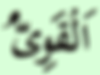
الْقَوِيُّ
54. Al-Qawi: The Strong One
The Most Strong, The Strong, The One with the complete Power.
Found In Quraan Ayah(s): (22:40)(22 :74)(42:19 )(57:25)
الْمَتِینُ
55. Al-Mateen: The Firm One
The One with extreme Power which is uninterrupted and He does not get tired.
Found In Quraan Ayah(s): (51:58)
الْوَلِيُّ
56. Al-Wali: The Protecting Associate
The Protecting Friend, The Supporter.
Found In Quraan Ayah(s): (4:45)(7:1 96)(42:28) (45:19)
الْحَمِیدُ
57. Al-Hameed: The Sole- Laudable One
The Praiseworthy, The praised One who deserves to be praised.
Found In Quraan Ayah(s): (14:8)(31: 12)(31:26) (41:42)
الْمُحْصِي
58. Al-Muhsi: The All- Enumerating One
The Counter, The Reckoner, The One who the count of things are known to him.
Found In Quraan Ayah(s): (72:28)(78 :29)(82:10 -12)
الْمُبْدِئُ
59. Al-Mubdi: The Originator
The One who started the human being. That is, He created him.
Found In Quraan Ayah(s): (10:34)(27 :64)(29:19 )(85:13)
الْمُعِیدُ
60. Al-Mu'id: The Restorer
The Reproducer, The One who brings back the creatures after death.
Found In Quraan Ayah(s): (10:34)(27 :64)(29:19 )(85:13)
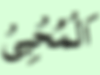
الْمُحْیِي
61. Al-Muhyi: The Maintainer of life
The Restorer, The Giver of Life, The One who took out a living human from semen that does not have a soul. He gives life by giving the souls back to the worn out bodies on the resurrection day and He makes the hearts alive by the light of knowledge.
Found In Quraan Ayah(s): (7:158)(15 :23)(30:50 )(57:2)
الْمُِمیتُ
62. Al-Mumeet: The Inflictor of Death
The Creator of Death, The Destroyer, The One who renders the living dead.
Found In Quraan Ayah(s): (3:156)(7: 158)(15:2 3)(57:2)
الْحَيُّ
63. Al-Hayy: The Eternally Living One
The Alive, The One attributed with a life that is unlike our life and is not that of a combination of soul, flesh or blood.
Found In Quraan Ayah(s): (2:255)(3: 2)(25:58)( 40:65)
الْقَیُّومُ
64. Al-Qayyuum: The Self- Subsisting One
The One who remains and does not end.
Found In Quraan Ayah(s): (2:255)(3: 2)(20:111)
الْوَاجِدُ
65. Al-Waajid: The Pointing One
The Perceiver, The Finder, The Rich who is never poor. Al-Wajd is Richness.
Found In Quraan Ayah(s): (38:44)
الْمَاجِدُ
66. Al-Maajid: The All- Noble One
The Glorious, He who is Most Glorious.
Found In Quraan Ayah(s): (11:73)
الْواحِدُ
67. Al-Waahid: The Only One
The Unique, The One, The One without a partner.
Found In Quraan Ayah(s): (2:163)(5: 73)(9:31)( 18:110)
اَلاَحَدُ
68. Al-Ahad: The Sole One
The One.
Found In Quraan Ayah(s): (112:1)
الصَّمَدُ
69. As-Samad: The Supreme Provider
The Eternal, The Independent, The Master who is relied upon in matters and reverted to in ones needs.
Found In Quraan Ayah(s): (112:2)
الْقَادِرُ
70. Al-Qaadir: The Omnipotent One
The Able, The Capable, The One attributed with Power.
Found In Quraan Ayah(s): (6:65)(36: 81)(46:33) (75:40)
الْمُقْتَدِرُ
71. Al-Muqtadir: The All Authoritative One
The Powerful, The Dominant, The One with the perfect Power that nothing is withheld from Him.
Found In Quraan Ayah(s): (18:45)(54 :42)(54:55 )
الْمُقَدِّمُ
72. Al-Muqaddim: The Expediting One
The Expediter, The Promoter, The One who puts things in their right places. He makes ahead what He wills and delays what He wills.
Found In Quraan Ayah(s): (16:61)(17:34)
الْمُؤَخِّرُ
73. Al-Muakhkhir: The Procrastinator
The Delayer, the Retarder, The One who puts things in their right places. He makes ahead what He wills and delays what He wills.
Found In Quraan Ayah(s): (71:4)
الأوَّلُ
74. Al-Awwal: The Very First
The First, The One whose Existence is without a beginning.
Found In Quraan Ayah(s): (57:3)
الآخِرُ
75. Al-Akhir: The Infinite Last One
The Last, The One whose Existence is without an end.
Found In Quraan Ayah(s): (57:3)
رُالظَّاھِ
76. Adh-Dhahir: The Perceptible
The Manifest, The One that nothing is above Him and nothing is underneath Him, hence He exists without a place. He, The Exalted, His Existence is obvious by proofs and He is clear from the delusions of attributes of bodies.
Found In Quraan Ayah(s): (57:3)
الْبَاطِنُ
77. Al-Batin: The Imperceptible
The Hidden, The One that nothing is above Him and nothing is underneath Him, hence He exists without a place. He, The Exalted, His Existence is obvious by proofs and He is clear from the delusions of attributes of bodies.
Found In Quraan Ayah(s): (57:3)
الْوَالِي
78. Al-Wali: The Holder of Supreme Authority
The Governor, The One who owns things and manages them.
Found In Quraan Ayah(s): (13:11)(22 :7)
الْمُتَعَالِي
79. Al-Muta'ali: The Extremely Exalted One
The Most Exalted, The High Exalted, The One who is clear from the attributes of the creation.
Found In Quraan Ayah(s): (13:9)
الْبَرُّ
80. Al-Barr: The Benign, The Source of All-Goodness
The Source of All Goodness, The Righteous, The One who is kind to His creatures, who covered them with His sustenance and specified whoever He willed among them by His support, protection, and special mercy.
Found In Quraan Ayah(s): (52:28)
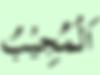
التَوَّابُ
81. At-Tawwab: The Ever- Acceptor of Repentance
The Relenting, The One who grants repentance to whoever He willed among His creatures and accepts his repentance.
Found In Quraan Ayah(s): (2:128)(4: 64)(49:12) (110:3)
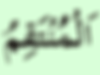
الْمُنْتَقِمُ
82. Al-Muntaqim: The Retaliator
The Avenger, The One who victoriously prevails over His enemies and punishes them for their sins. It may mean the One who destroys them.
Found In Quraan Ayah(s): (32:22)(43 :41)(44:16 )
العَفُوُّ
83. Al-'Afuw: The Supreme Pardoner
The Forgiver, The One with wide forgiveness.
Found In Quraan Ayah(s): (4:99)(4:1 49)(22:60)
الرَّؤُوفُ
84. Ar-Ra'uf: The Benign One
The Compassionate, The One with extreme Mercy. The Mercy of Allah is His will to endow upon whoever He willed among His creatures.
Found In Quraan Ayah(s): (3:30)(9:1 17)(57:9)( 59:10)
مَالِكُ الْمُلْكِ
85. Malik-ul-Mulk: The Eternal Possessor of Sovereignty
The One who controls the Dominion and gives dominion to whoever He willed.
Found In Quraan Ayah(s): (3:26)
ذُوالْجَلاَلِ وَ الإكْرَامِ
86. Dhul Jalali wal Ikram: The Possessor of Majesty and Honour
The Lord of Majesty and Bounty, The One who deserves to be Exalted and not denied.
Found In Quraan Ayah(s): (55:27)(55 :78)
الْمُقْسِطُ
87. Al-Muqsit: The Just One
The Equitable, The One who is Just in His judgment.
Found In Quraan Ayah(s): (7:29)(3:1 8)
الْجَامِعُ
88. Aj-Jami': The Assembler of Scattered Creations
The Gatherer, The One who gathers the creatures on a day that there is no doubt about, that is the Day of Judgment.
Found In Quraan Ayah(s): (3:9)
الْغَنِيُّ
89. Al-Ghani: The Self- Sufficient One
The One who does not need the creation.
Found In Quraan Ayah(s): (3:97)(39: 7)(47:38)( 57:24)
الْمُغْنِي
90. Al-Mughni: The Bestower of Sufficiency
The Enricher, The One who satisfies the necessities of the creatures.
Found In Quraan Ayah(s): (9:28)
اُلمَانِعُ
91. Al-Mani': The Preventer
The Withholder.
Found In Quraan Ayah(s): (67:21)
الضَّارَّ
92. Ad-Darr: The Distressor
The One who makes harm reach to whoever He willed and benefit to whoever He willed.
Found In Quraan Ayah(s): (6:17)
النَّافِعُ
93. An-Nafi': The Bestower of Benefits
The Propitious, The One who makes harm reach to whoever He willed and benefit to whoever He willed.
Found In Quraan Ayah(s): (30:37)
النُّورُ
94. An-Nur: The Prime Light
The Light, The One who guides.
Found In Quraan Ayah(s): (24:35)
الْھَادِي
95. Al-Hadi: The Provider of Guidance
The Guide, The One whom with His Guidance His belivers were guided, and with His Guidance the living beings have been guided to what is beneficial for them and protected from what is harmful to them.
Found In Quraan Ayah(s): (25:31)
الْبَدِیعُ
96. Al-Badi': The Unique One
The Incomparable, The One who created the creation and formed it without any preceding example.
Found In Quraan Ayah(s): (2:117)(6: 101)
الْبَاقِي
97. Al-Baqi: The Ever Surviving One
The Everlasting, The One that the state of non-existence is impossible for Him.
Found In Quraan Ayah(s): (55:27)
الْوَارِثُ
98. Al-Warith: The Eternal Inheritor
The Heir, The One whose Existence remains.
Found In Quraan Ayah(s): (15:23)
الرَّشِیدُ
99. Ar-Rashid: The Guide to Path of Rectitude
The Guide to the Right Path, The One who guides.
Found In Quraan Ayah(s): (2:256)
الصَّبُورُ
100. As-Sabuur: The Extensively Enduring One
The Patient, The One who does not quickly punish the sinners.
Found In Quraan Ayah(s): (2:153) (3:200) (103:3)
Some names of Allah have Jalali (fierce) Qualitys and other names have Cold or Air qualitys, This is a way of understanding that when approaching the names of Allah one must be pure and clean, The Names of Allah are very powerful and when reciting the names one must be aware of the meanings and significance.


ملائک
ANGELS
In Islam, angels (Arabic: ملاك malāk, "messenger"; plural: ملاًئِكة malā'ikah, "messengers") are believed to be heavenly beings, created from a luminous origin by God. They have different roles, including their praise of God, interacting with humans in ordinary life, and carrying on laws of nature. Islam acknowledges the concept of angels both as anthropomorphic and abstract. Belief in angels is one of the main articles of faith in Islam. The Quran is the principal source for the Islamic concept of angels, but more extensive features of angels appear in hadiths, Mi'raj literature, Islamic exegesis, theology, philosophy, and mysticism. The angels differ from other spiritual creatures in their attitude as creatures of virtue, in contrast to impure demons and morally ambivalent jinn (genies).
Angels are another kind of creature created by God, known to mankind, commonly dwelling in the heavenly spheres. Although the Quran does not mention the time when angels were created, they are generally considered as the first creation of God. In fact Angels surround us in every thing in this world, including the Sun, Moon, Water, Ice, Earth, Fire, etc. which some consider angels.
As with other monotheistic religions, angels are characteristics of their purity and obedience to God. However, their constant loyalty, towards God (Ismah), emphasized by some Quranic verses such as (16:49), does not necessarily imply impeccability, and the motif of erring angels is also known to Islam. Infallability (Ismah), applied to both Angels and Prophets, does not mean they won't err, only they have no desire to sin on their own. Circumstances may affect angels (as known from hadiths, such as when angels might smell an odor), causing them to make a mistake. However, an Angel would, as soon as the Angel was aware of this mistake, turn back to God immediately.
The Blessed, Holy and Noble Quran also describes angels as being tested. Angels are usually described in anthropomorphic forms combined with supernatural images, such as wings, being of great size, wearing heavenly clothes and great beauty. Some angels are identified with specific colors, often with white, but some special angels have a distinct color, such as black (Angel of Death "Azrael" \ "عزراییل") or Gabriel being associated with the color green, Satan red, etc.
Angels also have different ranks, it is often debated whether human or angels rank higher. The prostration of angels before Adam is often seen as evidence for humans' supremacy over angels. It is also stated that Humans are the Crown of Creation ("اشرف مخلوقات") and higher in rank than Angels and can command certain Angels if needed and if they reach a prophethood status such as Prophet Soleiman (King Solomon),
Nevertheless, others hold Angels to be superior, as being free from material deficits, such as anger and lust, Angels are free from such inferior urges and therefore superior. In contrast some Sufi traditions argue that a Human generally ranks below Angels, but developed to Al-Insān al-Kāmil (The Concept of The Perfect Human), he ranks above Angels. Comparable to another major opinion, that Prophets and Messengers among Humans rank above Angels, but the ordinary Human below an Angels, while the Messengers among Angels rank higher than Prophets. Some regular humans also reach Angelic stations, specially when they help other fellow beings, because what is a well established fact is that Angels are created and tasked with guarding humanity, so humans can definetly reach Angelic stations if they help fellow human beings.


یا اِسرافیل (Oh Israfil)
یا جبرئیل (Oh Gabriel)
یا رافائل (Oh Raphael)
یا عِزرائیل (Oh Izrael)
یا میکائیل (Oh Michael)
يا محمد (Oh Mohammad)
يا عيسى (Oh Jesus)
يا موسى (Oh Moses)
يا إبراهيم (Oh Abraham)
در زمان قديم قلندران در گورستانها و قبرستانها آرام ميگرفتند
حتى بعضى از آنها نيز در قبر ها ميخوابيدند... (قلندرنامه)
طوری که مردم آنها را دیوانه میپنداشتند و به زنجیر میبستند
همانطور که مولانا میفرماید
در عشق توام نصیحت و پند چه سود
زهراب چشیدهام مرا قند چه سود
گویند مرا که بند بر پاش نهید
دیوانه دلست پای در بند چه سود
قلندر آن بود کز هر دو عالم
سر مویی نباشد در دلش غم
زر و سیم و هوی و شهوت و آز
نکونامی و جاه و نعمت و ناز
براندازد به عشق ما بیکبار
نماند در دلش جز یاد جبار
بگویم با تو یک معنی دیگر
قلندر پنج حرفست ای برادر
یکی قاف و یکی لام و یکی نون
یکی دال و یکی رای همایون
از اینها هر یکی را معنی هست
که آنها بر قلندر عین فرضست
که هر یک را بشرط خود بداند
زلوح معرفت نقشش بخواند
قلندر را همین پنج است آیین
که کردستیم از بهر تو تعیین
قناعت پس لطافت پس ندامت
دیانت پس ریاضت در سلامت
سیاحت اختیار سالکان است
کمال اهل معنی اند آن است
سیاحت مرد را معمور سازد
وگر ظلمت ببیند نور سازد
زمانی گرد آن کشور برآمد
پس آنگاهی بگورستان درآمد
بگشت او هر طرف تا دید جایی
خراب اندر خراب آمد به جایی
در آنجا رفت و چشم از خلق بر بست
میان گورها آسوده بنشست
قلندرنامه --
According to the ancient text (Qalandar-nameh) In the old days the Qalandars used to go visit cemeteries and be calm there, some even slept in the graves, many were put in chains because people thought they were crazy, as the Rumi poem goes I am in love with you what good does lecturing me have? I have tasted the poison and nothing sweet will save me, they say put chains on his feet, it is the heart that has gone mad, not his feet!

GOTHS
Only in the darkness can you see the stars. -Martin Luther King Jr.
Put simply, a Goth is someone who finds beauty in things others consider dark. They love all that is dark and mysterious. That doesn't mean Goths are evil, it just means they have a different perspective to many. And it also doesn't mean Goths are unkind, violent or lacking in humour, in fact quite the opposite is true. Goths love to laugh but their humour is more of a dark sense of humour sort. They aren't sad because they like dark things - dark things make them happy and inspire them. Goths are often intelligent, romantic, peaceful and artistic realists.
Too often, Goths are mistaken for morbid, creepy, and harshly dark. Admittedly, some styles of Goth can be classed as aesthetically outward and dark. But there is a "softer" side to Goth - and that is the Romantic Goth. Romantic Goths bring out the emotional, sensual side in the Goth culture. They don’t always dress in black or wear heavy makeup, as society seems to think of all Goths. They are creative and intelligent, as well as serene and yes, romantic.
The Romanticism emphasizes intense emotions as an authentic source of aesthetic experience, placing new transcendental emphasis on experiencing sublime beauty and emotions within art.
Gothic culture as a whole is considered a very sacred art form and state of being, the realm of darkness and death is one where many transformations can occur, death and rebirth, mourning, grief, lamentations & healing, the realm of the undead and the underworld are all very important sacred concepts with deep philisophical meanings and connotations.
The very concepts of religious symbolism, immortality, the afterlife, the hereafter and also the angelic side of Christianity and all major Abrahamic faiths is not complete without the realm of Archangel Ezraeel (DEATH).
Gothic art as a whole with sacred imagery such as Love, Death, Crosses, Angels, Cathedrals and Churches and Graveyards could be viewed in this light as the very imagery can be one of nothing but sacredness in the most profound manner.

شب قبر
(Night of the Grave)
Burial Night or Laylat al-dafn (Arabic:لَیلَةُ الدَّفن) is the first night after the burial of a deceased person in grave. In Islamic culture, this night, its characteristics and events have been extensively discussed. According to sacred texts, the first night after burial is an important night for the person passed away and has different stages. Among its important events are meeting different angels, questioning the person and receiving his answers and the pressure of the grave. Some actions such as the prayer of burial night can help the deceased person to pass these events. The first night in the grave is beautiful and relaxing for believers and very harsh and dreadful for disbelievers and wrongdoers.
According to religious teachings, since the time the person is in his deathbed and the first moments of death approaching, the person sees the result of his actions and will be pleased of or suffer from them. In the first hours and days after death, the soul, while being in the world of Barzakh (Purgatory), finds itself beside the physical body. Due to the great attachment it has had with the body in this world, it is attentive toward it and follows it in the movements and while it is being washed, and then sees itself with the body in the grave, when it is buried.
As soon as the deceased person enters the grave, their first night begins and it is the roughest night they will inevitably experience. The states of the deceased person are greatly influenced by their actions, beliefs and attachment to the material world.
جهنم
Inferno
Those having done bad things throughout the course of their life end up suffering the most with eternal damnation being their everlasting predicament, a miserable state of eternal suffering, torture and punishment with no regards or mercy shown to them in relations to any titles or positions they may have previously held throughout the course of their life or any amount of wealth they may have acquired during the course of their lives.
In fact, these evil souls end up being so insignificant in comparison to the majesty and glory of God that they are simply lost & forgotten in the bottomless pit and fires of hell, tormented both spiritually and physically as maggots eat their flesh and demons rip apart their souls & torture and torment them in the everlasting eternal flames of the Inferno.
It is because of the relation between the material physical grave and the grave in barzakh that there are certain rulings about graves in Islam, funeral, shrouding, burial rites, respecting graves, recommendation of visiting graves, making supplication and asking for forgiveness upon graves and as such in Islam.
Some regard barzakh as a world dividing and simultaneously connecting the realm of the dead and the living. Therefore, some Muslim traditions argue about possibilities to contact the dead by sleeping on graveyards.
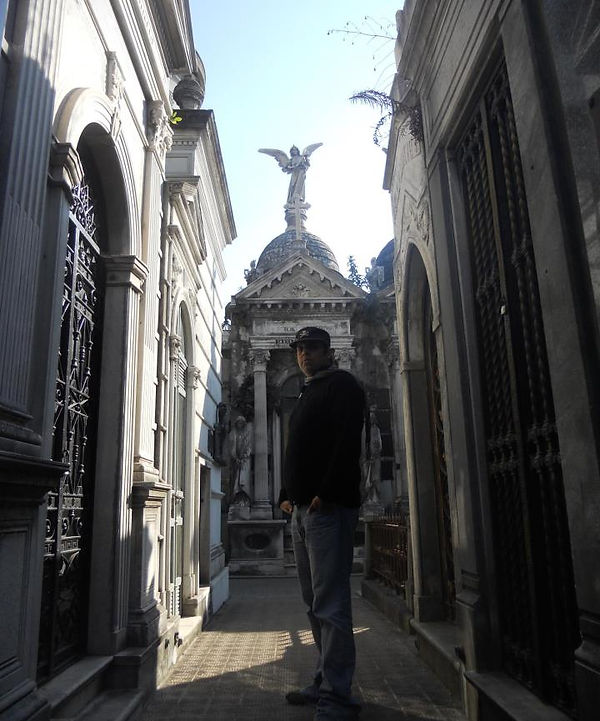
CEMETERIES
(qabrestān, gūrestān)
In Persian folklore are found both inside and outside cities and villages, usually close to a holy shrine, or emāmzāda, in order to partake of its blessing. A DARGAH (Persian: درگاه dargâh or درگه dargah, also in Urdu) is a shrine built over the grave of a revered religious figure, often a Sufi saint or dervish. Muslims may visit the shrine for ziyarat, a term associated with religious visits and pilgrimages. Dargah is derived from a Persian word which literally means "portal" or "threshold". Some Sufi and other Muslims believe that dargahs are portals by which they can invoke the deceased saint's intercession and blessing (as per tawassul, also known as dawat-e-qaboor or Ilm e dawat).
Because cemeteries are transitional places between the realms of the living and the dead they are thought to possess great magical power in many cultures. This is one of the reasons that they are either walled or are located outside the residential areas. In Persia, too, they were probably originally located outside the boundaries of towns and villages, and only with the passage of time did residential areas grow around them. This feature of cemeteries is still evident in smaller towns and villages in Persia.
Visiting cemeteries and praying for the souls of the departed are pious acts that have been recommended to all Muslims from the time of the prophet. During these visits water is customarily poured upon the grave to refresh the departed’s soul. The desirability of pouring water on the grave of the departed is sanctioned in Islam.
A number of rituals are associated with the visiting of cemeteries. Customarily, Persians visit the grave of their departed on the seventh day (hafta), the fortieth day (čella), and additionally one year after the death (sāl). The tendency is to visit the cemetery in odd numbers, that is, 3, 5, 7, etc., as it is believed that visiting cemeteries in even numbers brings bad luck and possible harm.
A number of magical actions associated with graves and graveyards include the following: Girls who want to secure a husband for themselves may go to the graveyard, find the grave of a man who has died young, and cook and distribute ḥalwā by the grave, others sit astride the lion statues found by the grave. Women who want to have a baby girl, wrap a handkerchief around the effigies’ heads. Individuals who wish the speedy return of a traveler go behind the lion statue and push it forward, those who desire wealth must anoint its head with oil. In the cemetery of Ḵᵛāja Rowšanāʾī in Mašhad there was a lion effigy by the grave of a pahlavān, at which women lit candles to obtain their wishes. Sterile women straddled it while cutting a cord with forty knots.

Important
Talisman & Protections
It has been suggested that the Holy Prophet Muhammad (pbuh) sanctioned the use of inscribed amulets and, through the Qur’an, passed on to his followers the history of Solomon as a magician and the emphasis of the apotropaic qualities that the names of Allah held. The Qur’an is believed to possess magical or supernatural powers, which coincides with the use of its verses within amulets as an element of protection.
TAWEEZ
The use of inscribed amulets containing Quran Verses and the names of Allah is common between Muslim people. The traditional Taweez (Amulets) are considered to possess extremely effective magical powers, moreover, these talismans can be used by both Muslims and non-Muslims. Indeed, the majority of authentic mystical objects will work regardless of a person’s religious affiliation mostly because the taweez is not something that exists in reality but rather it works through the imagination of an individual and at a minimum has a placebo effect. One Taweez can change a person, change society, change a country & change the world!
The Taweez effects the imagination and will of an individual. First the taweez impresses and influences the victim’s mind and will power and through time when the effect of taweez becomes powerful enough directly has an effect on the victim as they start to make decisions under the influence of the taweez. In other words we can say that taweez or its effect works psychologically.
There are two major kind of taweez or purposes of taweez, good and the other one is for bad, the good purpose taweez are used to create affection, love between husband and wife, increase in wealth and business, curing disease, solving domestic problems and stopping bad habits like drinking or smoking, etc.
The bad taweez or in other words taweez which are made on the basis of bad intentions also called taweez-e-bad are used to create hate between two people, sometimes to arise a dispute between family members specially husband and wife or separation, for any personal gain, for revenge, destroying business or carriers lust and love powers. According to Islam, practicing any sort of bad magic is said to be one of the most vile sins in Islam.
There are some symptoms of taweez (good or bad) on victim of it. Different types of taweez or magic has different symptoms. Some of the symptoms are that the victim will feel sudden strokes or headache occasionally in his/her forehead and the pain will travel towards the back of the head and sometimes one might feel pain in whole of thier body, secondly the victim might see nightmares and in nightmares he/she will see Snakes, Black dogs or cats.
In some cases the victim will see dreams in which he/she will see things which indicate that something bad will happen to him/her. Thirdly the victim feels burdens on his/her shoulder and feel tired all the time (Usually it happens with someone is under the influence of “Jinn or Saya”). Sometime victim feels struggle between mind and heart about some decisions (usually it happens when someone use taweez on victim for some personal gain).
Some other symptoms are anything unnatural like sleeplessness, unexplained illness, unknown fear and when things are going in the right direction, suddenly encounter obstacle, loss in business, problems in career etc. It doesn’t matter what kind of taweez (good or bad) done on victim, they will have one or more above mentioned symptoms. Taweez bad Taweez done!

Surah An-Naml Ayat 62 - Is He [not best] who responds to the desperate one when he calls upon Him and removes evil


Important Invocations & Prayers (Dua)
To relieve debt (برای رهایی از قرض)
Read 307 times to relieve debt inshalla or recite 1000 times to gain high status one will gain help from the unseen inshalla.
YA KABEERO ANTALLAH OLAZI LA TATADEEL HA'KULO BEWASFE AZMATEHI YA KABEERO
This holy dua is of Hazrat Saleh Alai Salam.
To fulfill ones wish (برای برآورده کردن آرزوها)
Read 12000 times for seven days and one will inshalla see results
YA BAREE 'ANOFU'SE BALA MESALIN KHALA MIN GHAYRE'HI YA BARIYO
This holy dua is of Hadrat Yafis Alai Salam
Children who dont listen to parents (بچه هایی که به والدین گوش نمیکنند)
After salat Asr recite for 119 times and then do dua inshalla by the grace of Allah azawajal ones children will start to obey parents the dua must be recited for seven days.
This holy dua is of Hadrat Suleiman Alai Salam
YA HANANO ANTALA'ZI WASEHTA KULLA SHAIYIN RAHMATAN WA ILMAN YA HANANO
To relieve debt 2 (2 برای رهایی از قرض)
To relieve debt one must read the dua as much as possible inshalla one will recieve assistance from the unseen
YA MANANO ZAL IHSA'NE KAD AMA KULLAL KHALA' IKE MINA HU YA MANANO
This holy dua is of Hadrat Ibrahim Alai Salam
To recieve Knowledge and Wisdom (برای دریافت خرد و آگاهی)
One must read 99 times this dua for 40 days inshalla with Allah azawajal mercy one heart will open full of knowledge and wisdom and will continue to flow of knowledge.
This holy dua is of Hadrat Harun Alai Salam and Hadrat Khidr
YA MUBDE'AL BADA'HE LAM YABGHA FE INSHA'HEHA OWNAN MIN KHALKEHI YA MUBDEHO
Istikhara (Devine Guidance) (استخاره)
There are different methods of doing istikhara here i will show some different methods of istikhara
One method is to write the holy name ALRAHEEM on a piece of paper and to place under ones pillow and then recite:
ALLAHUMMA ARE'NE BEBAR KA'TE HAZEHIL ISME FIL MANAME MA OREEDO
Keep in your heart the reason you seek guidance
After reciting the dua go to sleep and one will see if his decision is good or not, If one does not see then it will happen after a long while
Istikhara Ghous Paak (Devine Guidance) (استخاره)
First recite 15 times darood shareef and send the sawab on Hadrat Sheikh Abdul Qader Jillani Rahmatallah alai then recite AKHBIRNI BEHALI 1100 times and go to sleep.
One must remember that it should be done on a thursday and having a bath, clean clothes, applying some atar (islamic fragrance) and one must also fast on that day.
Istikhara (Devine Guidance) (استخاره)
First recite 11 times darood Shareef and then recite
YA BADEEHAL HAJA'IBE YA KASHIFAL GHARA'IBE
Recite for 1100 times and go to sleep. Again a bath, clean clothes and attar should be applied.
Istikhara (Devine Guidance) (استخاره)
This Istikhara is for things which are going to happen in a few days time to that person which are told in a dream recite 7 times morning and evening after reciting for a few days one will start to see things which are going to happen in dream. inshalla.
ALLAHUMMA KHIRLI WAKHTIRLE WALA TOKILNE ILA IKHTIYARI
If one wants to recite for a special reason for himself or someone else to find out something then one must recite for 1021 times and go to sleep where one has recited the dua. If done on a empty stomach is more beneficial.inshalla
Remember one needs to have the intention in heart for whatever reason you are reciting it for in all istikharas.
Istikhara Qadriya (Devine Guidance) (استخاره)
Pray 2 rakats of nawafil in each rakat recite after surah Fatiha 303 times Surah Ikhlas.After praying face South and recite this Ism
AL NOORO AL ZAHIRO AL BASITO
Keep reciting until one goes to sleep inshalla one will recieve the answer in dream.
To pass any kinds of tests or exams (برای قبولی آزمون ها و امتحان)
Reciting the blessed name of YA HASEEBO for 11000 times in one sitting will inshalla make you pass in exam or test by the will of Allah.
Destroying the effect of Black Magic (برای نابودی جادوی سیاه)
Writing this dua and tieing on ones right arm will destroy all effects of black magic and the person who trys to do black magic will not be able to do so inshalla.Recite
BISMILLAH IR RAHMAN NIRAHEEM WA OMLEE LAHUM INA KAYDI MATEEN.
surah noon
To see the Prophet Muhammad in Dream (برای دیدن پیامبر گرامی حضرت محمد رسول الله (ص) در خواب)
This Wazeefa has come from Hadrat Sheikh Abdul Qader Jillani qudas sirra rahmatullah alai
Whoever after friday prayers prays 4 rakats nafil and in every rakat recites 11 times ayat kursi and 11 times surah Ikhlas after praying 4 rakats recite 100 times darood shareef . Inshalla within 3 fridays one will see the Beloved Hadrat Muhammad peace be upon him .
ALLAHUMMA SALLI ALA MUHAMMADIN NABIYE WA ALEHI WA SAHBEHI WA SALAM
One must first get ijaza from a Qadri sheikh to recite this wazeefa.
To see the Prophet Muhammad peace be upon him in dream (برای دیدن پیامبر گرامی حضرت محمد رسول الله (ص) در خواب)
Recite on Friday night Surah Kausar 1000 times and any Darood Shareef 1000 times inshalla one will see the beloved in ones dream.
Hal Mushkilat (Halting Hardship) (حل مشکلات)
If one has extreme hardship then one must recite after Fajr 100 times HUWAL HAYUL QAYYUM, after Zuhr recite HUWAL ALIYUL AZEEM 100 times, after Asr HUWAL ALRAHMANO ALRAHEEM 100 times, after Maghrib recite 100 times HUWAL GHANI UL HAMEED, and after Isha recite HUWAL LATEEF UL KHABEERO 100 times.
For 21 days without missing any days inshalla by the sake of Allahs holy name one hardship will diminish.
Protection Prayer (دعای حفاظت از شر)
Hadrat Sheikh Khwaja Ghareeb Nawaz Ajmer has said the one who recites this Dua frequently will be protected by Allah subhana wa ta'ala inshalla.
HASBIYALLO WA NEMAL WAKEELO NEMAL MAWLA WA NEMAN NASEERO
Protection from the punishment of the grave (دعا برای رهایی از عذاب قبر).
Hadrat Sheikh Khwaja Ghareeb Nawaz Ajmer has said the one who recites these 5 surahs daily will be protected from the punishment of the grave and will be in peace. inshalla
SURAH WAQIYA, SURAH AL RAHMAN, SURAH WAL SHAMAS SURAH WA LAIL AND SURAH ALAM NASHRA.
Desire in meeting Allahs Saints (دعا برای دیدن، برخورد و معاشرت با اولیاالله)
Reciting this dua frequently one will meet Alllahs friends inshalla
INAKA JAME'ONASE LE YAWMI'LARAYBA FIHE INALLAH LA UGHLIFUL MEHAAD surah Ale Imran
Enlighting ones Inner and Outer body (نورانی کردن داخل و خارج جسم و بدن)
Reciting Allahs name YA MUGHNI 1100 times and Surah Muzammil 40 times every day will help enlighting ones Inner and Outer Body and creates lights inshalla
If one cant recite Surah Muzammil 40 times then one can recite 11 times
One must remember that Surah Muzammil is spiritually benificial for all seekers on sufi path its rewards and spiritual benefits are numerous.
Enlighting ones Inner and Outer body (نورانی کردن داخل و خارج جسم و بدن)
Reciting the darood Shareef Kabiryat e ahmar has the effect of creating radiance and lights in one Inner and Outer body inshalla
Dua for Children (دعا برای بچه ها)
By the sake of this Dua inshalla one will have children soon by the grace of Allah azawajal.Recite it frequently or recite it 11 times after every salat.
RAB E HAB LI MILA DUNKA ZUREYATAN TWAYE BATAN INNAKA SAMEEHU'DUHA'AH
Dua for Children (دعا برای بچه ها)
Reciting this dua 3 times after every salat will inshalla help in having children.
RAB E LA TAZAR NE FARDAWA ANTA KHAIRUL WARISEENA
Cure for Illness (دعا برای درمان امراض)
Reciting this dua will inshalla help in removing one bad health. Recite it 70 times or blow unto one who is ill.
WALLAHO AHLAMO WA ILMOHU ATAMO
Taking Hardship away (دعا برای رفع سختی ها)
It is the sunnah of Prophet Muhammad Peace be upon him that whenever the prophet felt any hardship, problems, and difficulties he would do sajud and recite YA HAYYO YA QAYYUM BE RAHMATIKA ASTAGHEESO.
One should also do the same and frequently recite every day also in dua after salat.
To increase ones Rizq (دعا برای افزایش رزق)
Hazrat Khwaja Abdul Baqi rahmatullah alai has said that to increase ones Rizq one can do this wazeefa and benefits will be seen within a few days inshalla, After salat Maghrib pray 2 rakats of Nawafil after reading Nawafil one must read 11 times Darood Shareef, 111 times YA MUGHNIYO 3 times Surah Muzzamil and Lastly 11 times Darood Shareef. ( zaraal mutaqeen)
To makes one heart full of light (دعا برای نورانی کردن قلب)
Hadrat Sheikh Abdul Haq mudis delvi Rahmatallah Alai have said that the one recites this wird it will make ones heart glow and creates light in the heart inshalla.
After salat Fajr and salat Isha read one tasbeeh everyday.
LA ILAHA ILALLAHO LAHUL MULKA WA LA HULHAMDO WA LA ILAHA ILLALLAHO WA LA HAWLA WA LA QUWWATA ILA BILLAHE.
To Make ones Dua fulfilled (برای برآورده کردن دعا)
For seven days reciting this Dua 1100 times daily will inshalla guarantee your Dua being fulfilled. After seven days make your dua and inshalla it will become fulfilled by the mercy of Allah.
BISMILLAH ILRAHMAN IRAHEEM
LA ILLAHA ILA ANTA SUBHANAKA INI KUNTO MINAZWALIMEEN.
Remember to recite Darood Shareef before and after Wazeefa.
To fulfill ones Wish (دعا برای برآورده کردن آرزو ها)
Reciting this couplet from Qaseeda Burdah Shareef 1100 times in one sitting and then making your Dua will become fulfilled.inshalla
HUWAL HABEEBOLAZI TURJA SHIFA'ATAHU
LE KULE HAWLIME NAL AHWALE MUQTAIME.
Remember to recite Darood Shareef 5 times before and 5 times after.
To stop Shaytans Whispering (برای قطع کردن نجمه شیطان)
If ones get pestered by shaytans whispering then reciting this Wazeefa will make a stop to this.Recite 3 times and blow on right hand same on left hand then put your hand on head and inshalla it will go away.
BISMILLAH IRAHMAN IRAHEEM
HUWAL AWALO WA AKHIRO WA ZAHIRO WA BATINO WAHUWA BEKULE SHEYIN ALEEM.
To create the love of Allah in ones heart (برای افزایش عشق به الله درون قلب)
One must sit in tashadud and read Al Fatiha and when you reach to IHDE NASWERA TWAL MUSTAQEEM. Then keep repeating this line with eyes closed and in meditation when you had enough then finish the Al Fatiha. Doing this everyday will create noor around the heart and love for Allah azawajal inshalla.
If one wants to marry with ones own choice (دعا برای ازدواج به میل خود)
After salat Isha reciting this Wazeefa 500 times for 21 days keeping the intention in ones heart will inshalla enable one to get married at his/hers choice.
BISMILLAH IRAHMAN IRAHEEM
AGHISNI AGHISNI AGHISNI YA MOGHEESO
Remember to recite Darood Shareef 5 times before and after the Wazeefa.
If one has a wish (اگر کسی آرزویی دارد)
Reciting this urdu couplet after Salat Isha 303 times for 14 days will inshalla make your wish come true inshalla
YA ALLAH YA RASOOL MEIN AKELA MANZIL DUR SADQA HASAN HUSSIEN DA MADAD MERI KARO HAZOOR
Oh Allah Oh Muhammad im alone and the place is afar through the sake of Hasan and Hussien help me oh holy one.
If one has a wish or dilemma (اگر آرزویی یا چالشی دارید)
This Wazeefa is from Hadrat Sheikh Abdul Qader Jillani quddas sirra Rahmat alai .This tasbeeh is what they used to recite frequently and have said this tasbeeh is recited at the arsh of Allah azawajal.
If one has a problem or a wish then they must recite this tasbeeh frequently for seven days and fasting as well and one must do Iftar with salt.
GHEYTWE GHOORISH
Remember that one must be on Shariat and Sunnah and not eat Meat for Seven days. After seven days do dua, it will inshalla become fulfilled very quickly.
To call upon the Rajiul Ghayb ( the unseen saints) for help (دعا برای توسل به رجال الغیب)
Do ablution and at night recite this urdu couplet 111 times every night at the same time every night eg 2.00
Inshalla by the will of Allah the Rajiul Ghayb will help. One must remember that the Rajiul Ghayb everynight fly about helping people.
BISMILLAH IRAHMAN IRAHEEM
IRD KIRD AWLIYA JO PERE CHARE PER MUSHKIL MERI KARO AHSAAN YA JANAB E DASTAGEER.
Hizbul Autad Prayer of Ghous ul Azam
This prayer is from the king of all Saints Sheikh Abdul Qader Jillani. Reciting this prayer protects one from calamitys and danger it also has baraka and success.
Reciting this after every Salat is benificial
ALLAHUL KAAFI RABUNAL KAAFI KASHADNAL KAAFI WAJADNAL KAAFI LI KULLIN KAAFI RABUNAL KAAFI WA NIMAL KAAFI ALHAMDOLILLAH.
HASBUNALLAH WA NIMAL WAKEEL WA NIMAL MAULA WA NIMAN NASEER (REPEAT TWICE)
WA KAFALAHUL MUMINEENAL KITAL (REPEAT 3 TIMES)
AMIN AMIN AMIN AMIN AMIN YA RAABIL ALAMIN
My Photo Gallery


